
Digital Loyalty & Membership Cards for Local Businesses
Paper punch cards get lost. Here's how digital loyalty and membership cards work, the options available and how to plan one for your business.

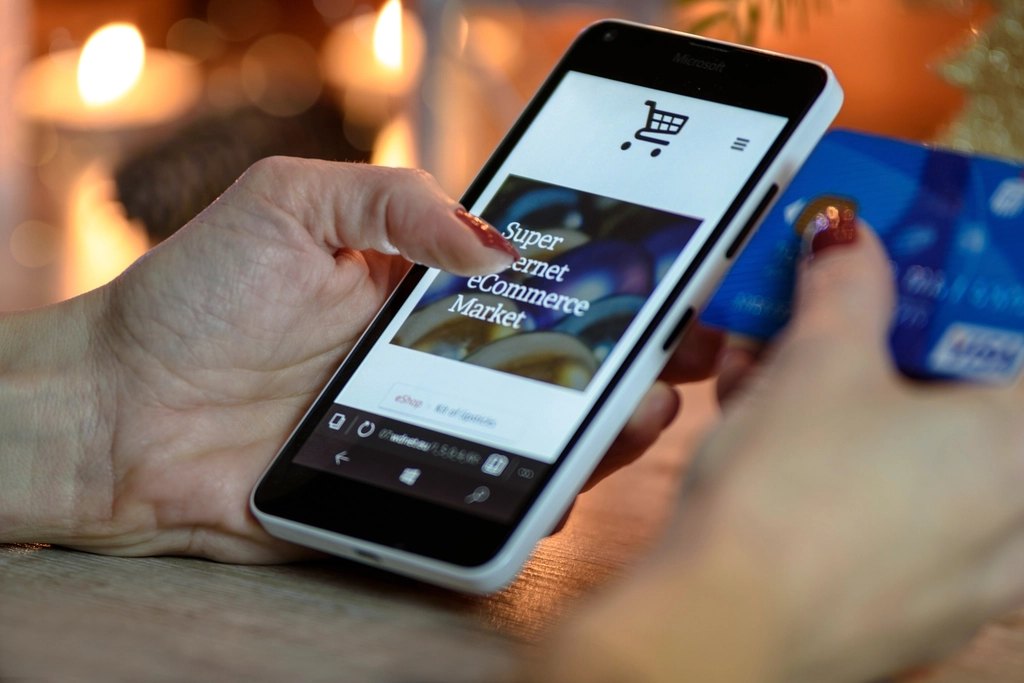
Paper punch cards have had a good run. They’re cheap, simple and customers understand them. They also get lost in wallets, go through the wash, and tell you nothing about who your best customers are.
Digital loyalty and membership cards fix those problems. Here’s how they work, the main options and how to plan one for a business on the Grand Strand.
What “digital loyalty card” can mean
The term covers a few different setups. Most programs use one or a combination of these:
Wallet passes
A card that lives in Apple Wallet or Google Wallet on the customer’s phone, right next to their boarding passes and credit cards. Apple Wallet supports store cards for loyalty, points and gift cards, and those cards can update to show a current balance. It also supports generic passes for things like membership cards. Google offers a Wallet API for loyalty cards, and passes can be handed out through a web link, email or text, so customers don’t need to download your app.
Web-based member accounts
A login on your website, or a progressive web app saved to the home screen, where customers see their points, rewards, membership status and offers. This gives you the most room to customize.
Full mobile apps
A dedicated app with loyalty built in, often alongside ordering or booking. Powerful, but usually more than a local business needs just for rewards. Our post on apps vs. progressive web apps walks through that decision.
Program types that work for local businesses
- Visit-based: buy nine coffees, get the tenth free. The digital version of the punch card.
- Points-based: earn points per dollar and redeem for rewards.
- Tiered: regulars earn better perks as they spend more.
- Paid membership: customers pay a fee for ongoing benefits, like a discount, priority booking or member-only events.
- Multi-business club cards: one card that gets members deals at a network of participating businesses.
Club cards on the Grand Strand
That last type is a natural fit for a tourism market. Axiom has built club card and membership sites, including myrtlebeachclubcard.com and pcbclubcard.com. A shared card program can give visitors a reason to choose participating businesses and give locals a reason to keep coming back.
Why go digital?
- Customers always have it. Their phone is in their hand at checkout.
- You learn who your regulars are. Visit frequency, favorite items and which offers work.
- You can reach them. Updates to a wallet pass, emails or notifications about offers, with their permission.
- Less fraud. No more hand-drawn stamps or borrowed punch cards.
- Easier to change. Adjust rewards for the off-season without reprinting anything.
Ideas for Grand Strand businesses
A few hypothetical examples:
- Say a coffee shop in Surfside Beach wants a simple visit-based card in Apple and Google Wallet that staff scan at the register.
- Say a family attraction in Myrtle Beach sells season memberships, with a wallet pass for entry and member pricing on add-ons.
- Say a salon in Carolina Forest wants tiered rewards tied to its booking system, so points are added automatically after each appointment.
- Say a group of restaurants in Murrells Inlet wants one shared card that earns at any of its locations.
- Say a golf shop in Little River wants a paid membership with discounts on lessons and member-only events.
How to plan your program
1. Decide what behavior you want
More visits in the off-season? Bigger tickets? Referrals? Repeat visitors who come back next summer? The reward structure should push toward the result you want.
2. Keep the rules simple
If a customer can’t explain your program in one sentence, it’s too complicated. Simple programs get used.
3. Make signing up quick
A QR code at the counter, a link in your receipt emails, a sign-up on your website. Ask for only what you need to get started.
4. Connect it to what you already use
The best programs tie into your point-of-sale, booking or e-commerce system so points add themselves. Manual entry gets skipped on busy days, and the Grand Strand has plenty of busy days.
5. Plan how staff will redeem rewards
Scanning a pass, looking up a phone number, tapping a button in an admin screen. Whatever it is, it should take seconds during a rush.
6. Respect customer privacy
Be clear about what you collect and how you’ll contact people. Make it easy to opt out of messages. Trust is the whole point of a loyalty program.
7. Own your data
Your member list is a business asset. Make sure you can export it and that you’re not locked into a platform that keeps it. With Axiom’s fully custom builds, you own 100% of the code.
How to tell if it’s working
A loyalty program should pay for itself, so track a few simple things from the start:
- How many customers sign up, and how many come back after joining
- How often members visit compared to before they joined
- Which rewards get redeemed and which get ignored
- Whether off-season offers bring people in when you need them most
If a reward isn’t moving anyone, change it. That’s one of the biggest advantages of a digital program.
Off-the-shelf or custom?
There are subscription loyalty tools that work well for straightforward programs. A custom build makes sense when you want the program tied tightly to your own booking or ordering system, want multiple businesses on one card, want paid memberships with real logic behind them, or don’t want to pay per member forever. Our software development and app development teams build both web-based programs and wallet-pass integrations.
Let’s build your card
Whether you want a simple digital punch card or a multi-business club card for the whole Grand Strand, Axiom Design Group can help you plan it and build it. Contact us, call (843) 839-4113 or email frahm@axiomdesigngroup.com.

Free consultation
Want a second opinion on your project?
Talk to the Axiom team on N Kings Hwy about websites, software, AI or marketing. No pressure, plain answers.
Keep reading
More from the studio
 04/30/2026
Does Your Business Need an App, or a Progressive Web App?
Native app, cross-platform app or progressive web app? A plain-English guide to choosing the right one for your local business.
Read the post 11/10/2025
Customer Portals & Dashboards: Ideas for Grand Strand Service Businesses
Practical customer portal and dashboard ideas for Grand Strand service businesses, and what to think through before you build one.
Read the post 09/29/2025
Custom Booking, Reservation & Ticketing Systems: When Off-the-Shelf Isn’t Enough
Off-the-shelf booking tools work until they don't. Here's how to tell when a custom booking, reservation or ticketing system makes sense.
Read the post