
AI for Myrtle Beach Restaurants: Menu Optimization, Demand Forecasting & More
From forecasting a rainy Tuesday to trimming waste on the line, here is where AI can actually help Grand Strand restaurants, and where it can't.

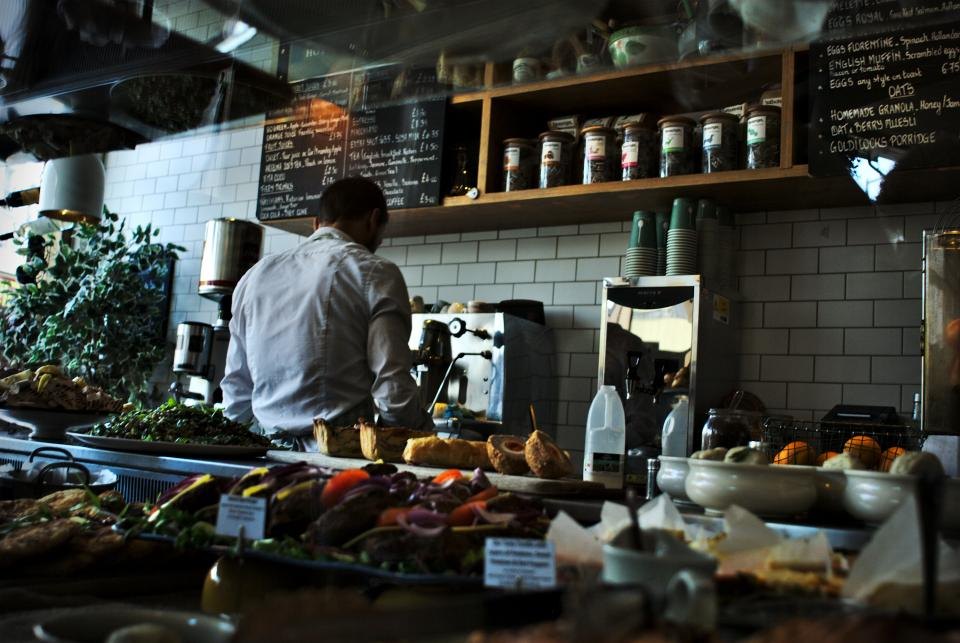
Running a restaurant on the Grand Strand means swinging between two extremes. In July there’s a wait at the host stand and the walk-in cooler can barely keep up. In January you are wondering whether to open on Mondays at all. Rain, a big tournament at a nearby sports complex or a festival weekend can flip your numbers overnight.
AI for restaurants won’t cook the shrimp and grits or calm down a packed dining room. But it can take a lot of guesswork out of the decisions that happen before service: what to prep, what to order, who to schedule and which dishes are actually earning their spot on the menu.
Demand Forecasting: Knowing What Tonight Looks Like
Forecasting is the foundation for almost everything else. A demand model looks at your point-of-sale history and combines it with signals like:
- Day of week and time of year
- Weather forecasts (a rainy beach day often fills dining rooms; a perfect one can empty them until sunset)
- Local events, holidays and school breaks
- Reservations and waitlist data
- Recent trends in your own sales
The output is a practical estimate: expected covers by hour, and expected sales by item or category. That estimate feeds prep lists, ordering and staffing.
Why it matters here
Our tourist seasons don’t move in a straight line. Spring break comes in waves, summer peaks hard and the fall shoulder season depends heavily on golf travel and weekend visitors. A model trained on your own history can catch those patterns better than a manager working from memory, especially in a year with a new manager.
Menu Optimization: Which Dishes Pull Their Weight
Most restaurant owners know their best sellers. Fewer know which items are truly profitable after food cost, prep time and waste. AI-assisted menu analysis can combine sales data with recipe costs to sort items into a few useful groups:
- Popular and profitable: feature them and protect their quality.
- Popular but low margin: look at portioning, pricing or ingredient costs.
- Profitable but slow: try better placement, a server recommendation or a new description.
- Neither: candidates to drop or rework.
It can also spot patterns that are hard to see by hand, like dishes that sell well to dinner crowds but not at lunch, or items that are often ordered together and could become a combo.
The final call on the menu should always be yours. A dish that’s a local favorite or part of your identity might be worth keeping even if the numbers say otherwise.
Smarter Prep and Ordering
Once you have a forecast, you can turn it into prep and purchasing suggestions. Instead of prepping the same amount of crab dip every Friday, the system suggests a quantity based on what that particular Friday is likely to look like.
The benefits are simple: less food thrown out at close, fewer 86’d items at 8 p.m. and purchase orders that track real demand. For seafood and produce with a short shelf life, that matters a lot.
Staffing That Follows the Forecast
Labor is one of the hardest parts of running a Grand Strand restaurant, especially in summer when everyone is hiring. A forecast lets you build schedules around expected volume instead of habit. You can see which shifts need an extra server or a second dishwasher, and which ones are overstaffed.
Even small adjustments help: shifting a server start time by an hour on slow nights, or knowing early which Saturday in June needs everyone on deck.
Reviews, Feedback and Reputation
Visitors decide where to eat based on reviews, and keeping up with them across several platforms is tedious. AI can help by:
- Summarizing review themes each week (slow service on the patio, praise for a specific server, complaints about parking)
- Drafting replies for a manager to edit and approve
- Flagging urgent issues, like a food safety complaint, right away
We’d caution against fully automated review replies. Guests can tell, and a personal response from the owner still carries the most weight.
Guest-Facing AI
A chatbot or voice assistant can answer the questions that tie up your host stand phone: hours, wait times, whether you take reservations, gluten-free options, large party policies and directions. During a summer dinner rush, that can free up a real person to greet the guests standing in front of them.
Where to Start
You don’t need to do everything at once. A sensible order for most restaurants looks like this:
- Get your data in order. Make sure your POS records item-level sales cleanly and your recipe costs are current.
- Start with forecasting. It’s the piece that makes prep, ordering and staffing better.
- Add menu analysis once you trust the numbers.
- Layer on guest-facing tools if phone calls and repetitive questions are a real pain point.
Questions to ask any vendor
- Does it connect to our POS and scheduling tools, or will we be re-entering data?
- Can it explain why it’s predicting a busy night?
- Who owns our sales data, and is it used to train anyone else’s models?
- What does it cost per month after setup, and what happens if we cancel?
What AI Won’t Fix
AI can’t make up for a bad location, a rough kitchen culture or food that doesn’t land. It also needs decent data to work with; if your POS is a mess or you just opened, expect a learning period. Think of it as a sharp assistant manager who is great with numbers, not a substitute for running a good restaurant.
Talk to a Local Team
Axiom Design Group helps Grand Strand businesses put AI to work in ways that fit how they actually operate. Whether that’s a forecasting model, a custom dashboard from our software development team or a guest chatbot, start with our AI integration services or reach out to us. Our office is at 5213 N Kings Hwy in Myrtle Beach, or call (843) 839-4113.

Free consultation
Want a second opinion on your project?
Talk to the Axiom team on N Kings Hwy about websites, software, AI or marketing. No pressure, plain answers.
Keep reading
More from the studio
 09/19/2026
Why Your Myrtle Beach Hotel Needs an AI Concierge in 2026
An AI concierge answers the questions your front desk hears over and over, so your staff can focus on the guests standing…
Read the post 08/08/2026
Automating the Busywork: 7 Workflows Small Businesses Can Hand to AI
The best first AI project is often the most boring one. Here are seven everyday tasks small businesses can safely hand off…
Read the post 06/26/2026
Predictive Staffing for Seasonal Businesses on the Grand Strand
Short-staffed summers and overstaffed shoulder weeks both cost money. Predictive staffing uses your own data to put the right number of people…
Read the post